Discovering Natural Healing Bali Plants: Ancient Remedies for Modern Wellness

krisna
November 20, 2025
16 min read
Bali isn’t just about beaches and temples, you know. It’s also a place with a really old tradition of using plants for healing. People have been using these natural remedies for ages, passed down through families. We’re going to look at some of these amazing natural healing Bali plants and how they can help us feel better today.
Key Takeaways
- Balinese herbal medicine, known as Usada Bali, is deeply connected to the philosophy of Tri Hita Karana, aiming for balance between people, nature, and the divine.
- Traditional healers, called Balian, play a significant role in Balinese communities, using a holistic approach that addresses both physical and spiritual well-being.
- Key natural healing Bali plants like turmeric, ginger, galangal, and pandan leaves offer a range of benefits, including anti-inflammatory, digestive, and calming properties.
- Incorporating these herbs into your life can be as simple as drinking a daily herbal elixir like Jamu, adding them to your cooking, or practicing mindful rituals.
- Authentic Balinese healing herbs can be found in local markets in Bali or sometimes sourced globally, and you can even try growing some in your own garden.
Understanding The Power Of Balinese Herbal Medicine
Bali isn’t just about stunning beaches and vibrant culture; it’s also a place steeped in ancient healing traditions. For centuries, the island has relied on its rich biodiversity to create natural remedies, a practice deeply woven into the fabric of daily life. This isn’t just about popping a pill when you feel under the weather. It’s a whole philosophy, a way of living that connects people to nature and to each other.
The Philosophy of Tri Hita Karana in Healing
At the core of Balinese healing is a concept called "Tri Hita Karana." It’s a mouthful, I know, but it basically means living in harmony. Think of it as a three-part balance: harmony between people and God (or the divine), harmony among people, and harmony between people and nature. When it comes to health, an illness is seen as a disruption in this balance. So, healing isn’t just about fixing a symptom; it’s about restoring that overall equilibrium. It’s a pretty profound way to look at things, isn’t it?
Holistic Approaches to Mind, Body, and Spirit
Balinese healing doesn’t really separate the mind from the body. Unlike some Western approaches that might focus solely on physical symptoms, traditional Balinese medicine looks at the whole person. This means addressing not just physical discomfort but also emotional and spiritual well-being. Practices like meditation, gentle movement, and, of course, herbal remedies are all used together to bring everything back into sync. It’s about feeling good inside and out.
The Role of Traditional Healers (Balian)
In Bali, traditional healers, known as ‘Balian’, are highly respected figures. They are the keepers of this ancient knowledge, passing down wisdom about plants and healing practices through generations. They often work alongside modern medical professionals, offering a different perspective on health and wellness. Seeing a Balian isn’t just about getting a remedy; it’s often a spiritual experience, a way to reconnect with the natural world and find balance.
Balinese herbal medicine, or ‘Usada’, is more than just a collection of remedies; it’s a lifestyle that promotes balance between the body, mind, and spirit, reflecting a deep connection with the natural world.
Key Natural Healing Bali Plants And Their Benefits
Bali is brimming with plants that have been used for centuries to help people feel better. These aren’t just for cooking; they’re part of a long tradition of natural remedies. Let’s look at some of the stars of the show.
Turmeric: The Golden Healer
Turmeric, with its bright yellow color, is probably one of the most well-known healing plants from Bali. Its main active ingredient, curcumin, is what gives it its power. Curcumin is known for its strong anti-inflammatory and antioxidant effects, which can help with all sorts of aches and pains and may even help protect your body from damage over time. It’s often used to help with conditions that involve swelling and can be a good addition to your diet if you’re looking to support your overall health.
Ginger: A Zesty Remedy
Ginger is another plant you’ll find everywhere in Bali, and for good reason. It has a warming, zesty flavor that’s great in food and drinks, but its benefits go deeper. Ginger is famous for helping with digestion, settling upset stomachs, and easing feelings of nausea. If you’re feeling a bit under the weather, like with a cold or flu, ginger can offer some comfort and help you feel more like yourself.
Galangal: Bali’s Potent Root
Think of galangal as ginger’s cousin. It looks similar and is also a root with a lot of healing potential. While it has a slightly different, perhaps more peppery taste than ginger, it’s used in many of the same ways. Galangal is often recommended for stomach troubles and can be helpful for skin issues too. It’s a common ingredient in traditional Balinese drinks, like jamu, which are made to promote good health.
Pandan Leaves: Calming and Cooling Properties
Pandan leaves have a really distinct, pleasant aroma that makes them popular in Balinese cooking. But beyond their scent and flavor, these leaves are believed to have calming and cooling effects. They are sometimes used to help with headaches, reduce fevers, and generally bring a sense of balance to the body. Their natural properties are thought to be quite soothing.
Here’s a quick look at what makes these plants so special:
- Turmeric: Fights inflammation, rich in antioxidants.
- Ginger: Aids digestion, reduces nausea, helps with cold symptoms.
- Galangal: Soothes stomach issues, may help with skin conditions.
- Pandan Leaves: Calming, cooling, can help with headaches and fevers.
These plants are more than just ingredients; they are a connection to Bali’s ancient wisdom for staying well. Using them can be a simple way to bring a bit of that natural healing into your own life.
Preparing And Using Balinese Healing Herbs
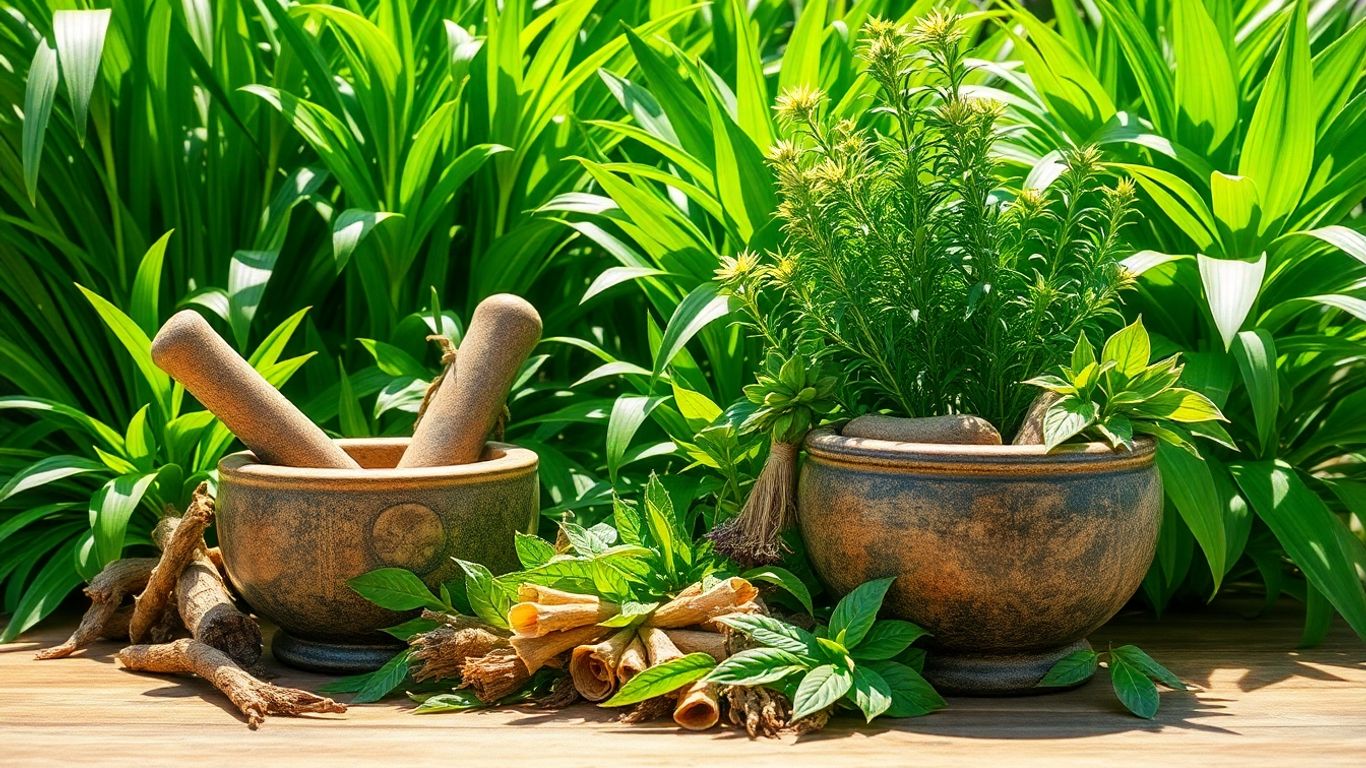
Getting your hands on Balinese healing herbs is one thing, but knowing how to prepare and use them is where the real magic happens. It’s like having a secret recipe passed down through generations. You want to make sure you’re getting the most out of these natural gifts, right?
Selecting and Cleaning Your Herbs
First things first, you need to pick good quality herbs. Look for vibrant colors and a fresh scent. If you’re buying them, try to get them from a reputable source. Once you have them, give them a gentle wash under cool water. This gets rid of any dirt or unwanted bits. For drying, hang them upside down in a place that’s warm, has good airflow, and isn’t too bright. This helps keep their color and flavor.
Topical Applications for Skin and Pain
Many of these herbs are fantastic when used on the skin. You can take fresh herbs, grind them into a paste – kind of like making a thick smoothie for your skin. This paste can be applied directly to areas that are sore, inflamed, or have skin issues. It’s a direct way to get the plant’s goodness where you need it.
Patch Testing for Safety
Now, this is super important. Before you slather a new herbal paste all over yourself, do a patch test. Just put a tiny bit on a small area of your skin, maybe your inner arm. Wait a day or so to see if you have any reaction. This simple step can save you a lot of trouble. Everyone’s skin is different, and what works for one person might not be the best for another. It’s always better to be safe than sorry when you’re trying out new remedies. If you’re dealing with serious health issues or are pregnant, it’s a good idea to chat with a doctor before you start using new herbs, even natural ones. They can offer professional trauma counseling and mental health support if needed [9103].
Remember, while these herbs have been used for ages, they are still potent. Start with small amounts and pay attention to how your body responds. This mindful approach helps you get the benefits without any unwanted surprises.
Incorporating Natural Healing Bali Plants Into Your Daily Life
Bringing the gentle power of Balinese healing herbs into your everyday routine doesn’t have to be complicated. It’s about finding simple, enjoyable ways to connect with nature’s remedies. Think of it as adding a little bit of Bali’s natural calm and vitality to your own life, one small step at a time.
The Ritual of Jamu: A Daily Elixir
Jamu is more than just a drink; it’s a tradition, a daily ritual for many in Bali. This herbal concoction, made from a blend of roots, spices, and leaves, is celebrated for its health-boosting qualities. Making your own jamu can be a grounding practice. You might start with a simple turmeric and ginger blend, perhaps adding a touch of honey for sweetness. A warm cup first thing in the morning can set a positive tone for your day, helping you feel more centered and ready to face whatever comes your way.
Culinary Integration of Healing Herbs
Why not let your kitchen become a source of wellness? Many Balinese herbs are wonderfully versatile and can easily find a place in your regular cooking. Imagine adding a pinch of turmeric to your morning eggs or a few slices of fresh ginger to your afternoon tea. Galangal, with its unique peppery flavor, can add a new dimension to stir-fries or soups. Even pandan leaves, often used in desserts, can lend a subtle, fragrant note to rice or baked goods. Experimenting with these herbs in your meals is a delicious way to reap their benefits without much extra effort.
Here’s a quick guide to get you started:
- Turmeric: Add to curries, smoothies, or warm milk for an anti-inflammatory boost.
- Ginger: Steep in hot water for tea, add to marinades, or grate into dressings.
- Galangal: Use in soups, stews, or marinades for a zesty kick.
- Pandan Leaves: Tie into knots and add to rice or sweet dishes while cooking.
Mindful Practices to Complement Herbal Use
Balinese healing traditions often emphasize the connection between mind, body, and spirit. So, while enjoying your herbal teas or meals, take a moment to be present. Perhaps a few minutes of quiet breathing before you drink your jamu, or a moment of gratitude as you add herbs to your cooking. These small acts of mindfulness can amplify the calming and restorative effects of the herbs. It’s about creating a holistic wellness practice that nourishes you from the inside out.
Remember that consistency is key. Even small, regular additions of these herbs and mindful moments can lead to noticeable improvements in your overall sense of well-being over time. Listen to your body and adjust as needed.
Where To Find Authentic Balinese Healing Herbs
Exploring Local Markets in Bali
If you’re lucky enough to be visiting the Island of the Gods, the most authentic way to source these potent plants is by visiting the local pasar (markets). These bustling hubs are where you’ll find the freshest ingredients, often brought in directly from farms that morning. Wandering through the stalls, you’ll see vibrant piles of turmeric, ginger, galangal, and bundles of fragrant pandan leaves. It’s not just about buying; it’s an experience. You can chat with the vendors, learn about different varieties, and get a real feel for the local culture. Don’t be shy to ask questions – many vendors are happy to share their knowledge about the herbs they sell.
- Freshness: Direct from growers means peak potency.
- Variety: Discover herbs you might not see elsewhere.
- Cultural Immersion: A true taste of Balinese daily life.
Sourcing Herbs Globally
Can’t make it to Bali anytime soon? Don’t worry, you can still bring the healing power of Balinese herbs into your home. Many specialty online retailers now focus on sourcing traditional herbs from around the world, including those used in Balinese practices. Look for shops that are transparent about their sourcing and quality control. Reading reviews can also help you find reliable suppliers.
When ordering online, keep an eye out for:
- Organic Certification: This is a good sign of quality and purity.
- Reputable Retailers: Seek out businesses with a strong track record.
- Proper Packaging: Herbs should be stored in airtight containers to maintain freshness.
While the convenience of global sourcing is undeniable, there’s a certain magic in obtaining herbs directly from their origin. If possible, visiting a local market, even outside of Bali, can offer a more connected experience than simply clicking ‘add to cart’.
The key is to be discerning, whether you’re haggling at a local market or browsing online.
Cultivating Your Own Balinese Healing Garden
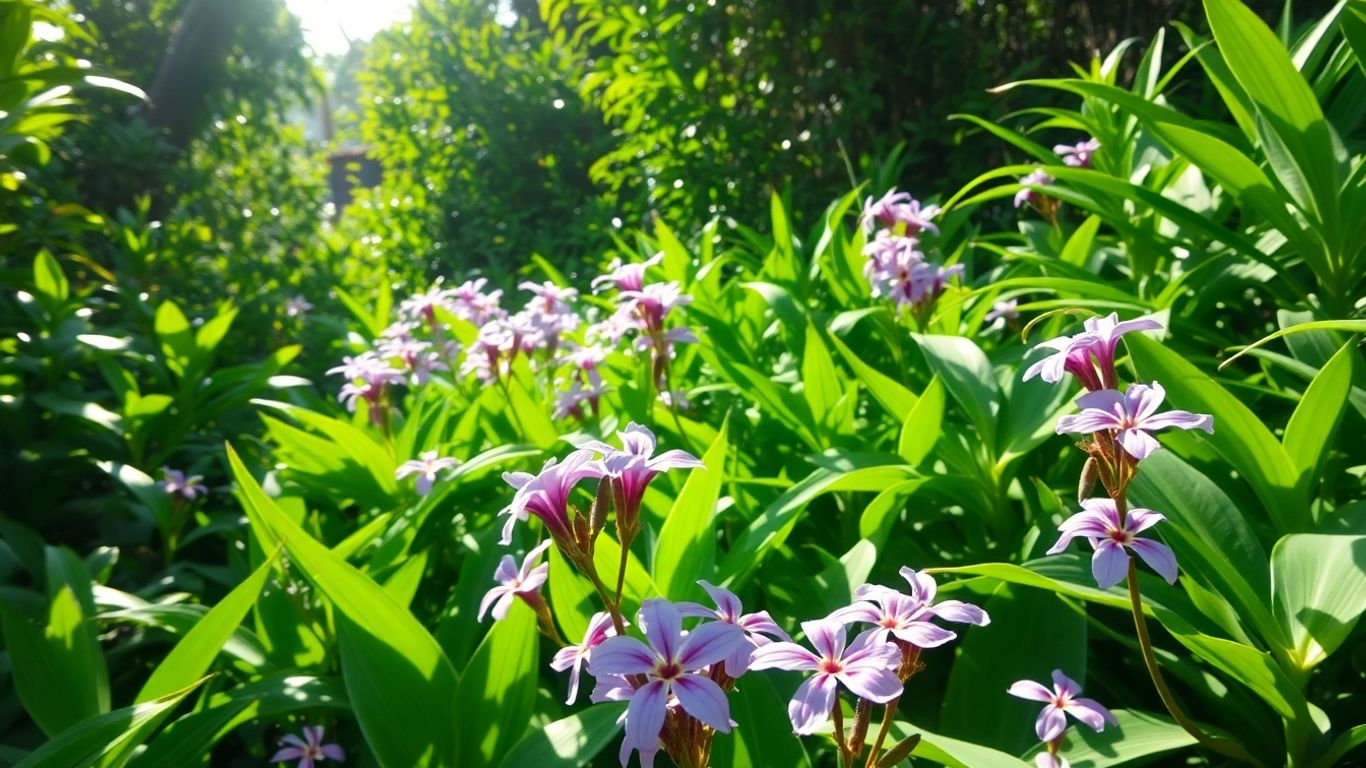
Having your own little patch of Balinese healing plants is a pretty neat idea, right? It means you’ve got fresh herbs right there when you need them, no waiting for deliveries or trips to the market. It’s like having your own personal pharmacy, but way more natural.
Essential Herbs for Home Cultivation
When you’re just starting out, it’s smart to pick plants that are known to do well and match what you’re hoping to get from them. Think about what you want to use them for – maybe something for digestion, or something to help you relax.
Here are a few good ones to get you going:
- Turmeric (Curcuma longa): This is the golden one. It likes warm weather and needs soil that drains well. You’ll want to give it plenty of sun, but maybe a bit of shade during the hottest part of the day.
- Ginger (Zingiber officinale): Similar to turmeric, ginger loves warmth and good drainage. It’s a rhizome, so you plant a piece of the root. Keep it moist but not waterlogged.
- Galangal (Alpinia galanga): Another rhizome that’s related to ginger. It needs similar conditions – warm, sunny spots with soil that doesn’t hold too much water.
- Pandan Leaves (Pandanus amaryllifolius): This one is a bit different. It likes a bit more shade and consistently moist soil. It’s great for its calming scent and flavor.
Tips for Growing Balinese Plants
Getting these plants to thrive isn’t too complicated, but a few things make a big difference. The key is good soil and the right amount of sun and water.
Here’s a quick rundown:
- Soil Prep: Most of these herbs like rich, well-draining soil. If you’re planting in pots, use a good quality potting mix. If you’re in the ground, mix in some compost to give it a boost.
- Sunlight: Generally, they like a good amount of sun. Aim for a spot that gets at least six hours of direct sunlight daily. Some might appreciate a little break from the intense afternoon sun, especially in hotter climates.
- Watering: This is where you need to pay attention. Check the soil moisture regularly. Stick your finger in about an inch or two – if it feels dry, it’s time to water. Avoid letting them sit in soggy soil, as this can lead to root rot.
- Pest Patrol: Keep an eye out for common garden pests. A little neem oil spray can often do the trick if you spot any unwelcome visitors.
Growing your own healing herbs connects you directly to the source of these ancient remedies. It’s a hands-on way to appreciate the plants and their gifts, making the eventual use of their properties even more meaningful.
As you get more comfortable, you can try adding other plants. It’s a really satisfying hobby, and you end up with a constant supply of fresh, potent ingredients for your wellness routine.
Want to grow your own special garden inspired by Balinese healing traditions? It’s a wonderful way to bring peace and natural remedies right to your home. Imagine the calming scents and the beauty of plants known for their healing powers. Ready to start creating your own slice of paradise? Visit our website to learn more about how you can begin cultivating your own Balinese healing garden today!
Bringing Bali’s Healing Home
So, we’ve taken a peek into the amazing world of Balinese healing plants. It’s pretty cool how these natural remedies, used for ages, can still help us out today. Whether it’s a soothing cup of ginger tea or a paste made from turmeric, these herbs offer a simple way to feel better. Remember, it’s not just about the plants themselves, but the whole idea of taking care of yourself, body and mind. Maybe try adding a little bit of this ancient wisdom into your own routine. You might be surprised at how good it makes you feel. Just start small, see how your body likes it, and always chat with your doctor if you’re unsure about anything.
Frequently Asked Questions
What are the most common healing plants used in Bali?
Some of the most popular healing plants in Bali include turmeric, known for fighting inflammation; ginger, great for digestion and nausea; galangal, a cousin of ginger used for various health issues; and pandan leaves, which help calm you and cool your body. These are used in many traditional remedies.
What are the main health benefits of using Balinese herbs?
Balinese herbs offer many health benefits! They can help reduce swelling in your body, boost your immune system, and help with digestion. Some can also help you sleep better, reduce stress, and even help with headaches or stomach aches. They are natural ways to feel better overall.
How do Balinese people use these healing plants?
Balinese people use these plants in many ways. They often drink them in special teas or drinks called ‘jamu’ to stay healthy every day. They also add them to their cooking for flavor and health benefits. Sometimes, they make pastes from the plants to put on their skin for pain or skin problems.
Can I grow these Balinese plants at home?
Yes, you can! Growing your own Balinese healing plants is a great idea. You can start with easy-to-grow ones like turmeric and ginger. Having them at home means you always have fresh herbs for teas or cooking, connecting you to nature’s goodness.
Where can I buy Balinese healing herbs if I’m not in Bali?
If you’re not in Bali, you can often find these herbs in specialty food stores or Asian markets. Many online shops also sell them. Look for fresh roots like turmeric and ginger, or dried leaves and spices. Sometimes, you can even find them in health food stores.
Is it safe to use Balinese herbs for healing?
Balinese herbs have been used for a very long time and are generally safe for most people. However, it’s always smart to test a small amount on your skin first if you’re using it topically. Also, if you have any health problems or are pregnant, it’s best to talk to a doctor before using new herbs.
Related Article
Exploring Psilocybin Ceremony in Bali: A Guide to Sacred Journeys
Thinking about a trip to Bali in 2025 for some...
Thinking about a trip to Bali in 2025 for some personal growth? Bali is becoming a popular spot for people...
Discover Serenity: Your Guide to Holistic Therapy in Bali
Bali. Just the name conjures up images of lush rice...
Bali. Just the name conjures up images of lush rice paddies and stunning beaches, right? But beyond the postcard views,...
Discover Inner Peace: Your Guide to Spiritual Retreats with Plant Medicine in Bali
Thinking about a trip to Bali for some spiritual healing?...
Thinking about a trip to Bali for some spiritual healing? It’s a popular choice for a reason. People go there...
