Short answer: yes — Bali offers a complete menu of legal, non-psychedelic retreat experiences, and for most visitors they are the safer and smarter choice. As of 2026, psilocybin, ayahuasca (DMT), and most other psychedelic plant medicines are classified as Category I narcotics under Indonesian law, carrying severe criminal penalties. The good news is that Bali’s deepest healing traditions never needed them: breathwork, meditation, sound healing, cacao circles, jamu herbalism, ayurveda, and Balinese water purification rituals are all fully legal, widely available, and led by experienced practitioners across the island.
Important disclaimer before you read on: this page is an independent informational guide, not medical advice. No retreat modality listed here is a treatment or cure for any physical or mental health condition. If you live with a diagnosed condition, take medication, are pregnant, or are in crisis, consult a licensed physician or mental health professional before booking anything. We do not arrange, refer, or provide guidance for any activity involving substances that are illegal in Indonesia — no exceptions. For the full legal picture, read our guide to plant medicine legality in Indonesia.
Why choose a retreat without psychedelics in Bali?
Three reasons: legality, safety, and depth. Legally, Indonesia enforces some of the strictest narcotics laws in the world, and “it was a ceremony” is not a defense — foreigners have been arrested and deported for far less. Safety-wise, legal modalities have well-understood risk profiles and do not interact unpredictably with medications or mental health conditions the way psychoactive substances can. And in terms of depth, many guests are surprised: a multi-day silent meditation retreat or a committed breathwork practice can be profoundly intense on its own terms. Choosing the legal path is not settling for less — it is choosing practices you can continue safely at home.
What legal retreat options does Bali offer?
Breathwork
Guided sessions using controlled breathing patterns to shift your physiological and emotional state. What it offers: deep relaxation or cathartic emotional release, depending on the style, with nothing ingested. What it does not offer: it is not risk-free — intensive styles are contraindicated for people with cardiovascular conditions, epilepsy, or pregnancy, so screening by the facilitator matters. Sessions run from 60-minute drop-ins in Ubud and Canggu to multi-day immersions.
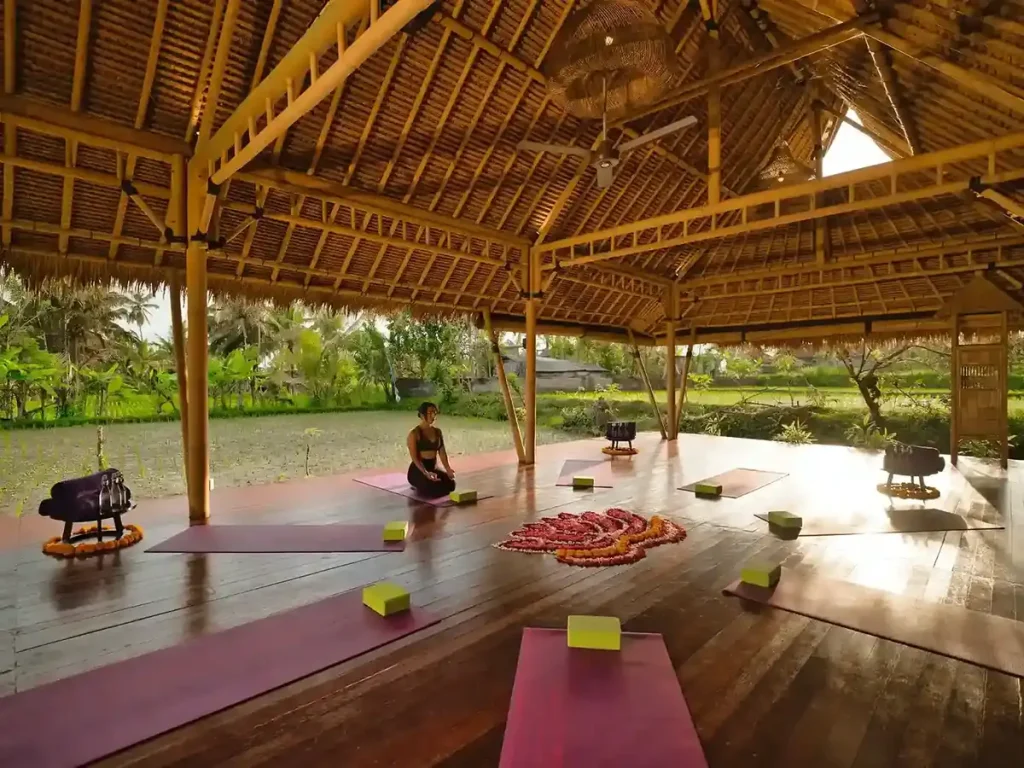
Meditation and Vipassana
Bali hosts everything from beginner-friendly guided meditation to 4–10 day silent Vipassana retreats. What it offers: the most evidence-supported practice on this list for stress reduction, and a skill you keep for life. What it does not offer: quick fixes. Silent retreats are demanding, and people with acute mental health conditions should seek professional advice before attending one.
Sound healing
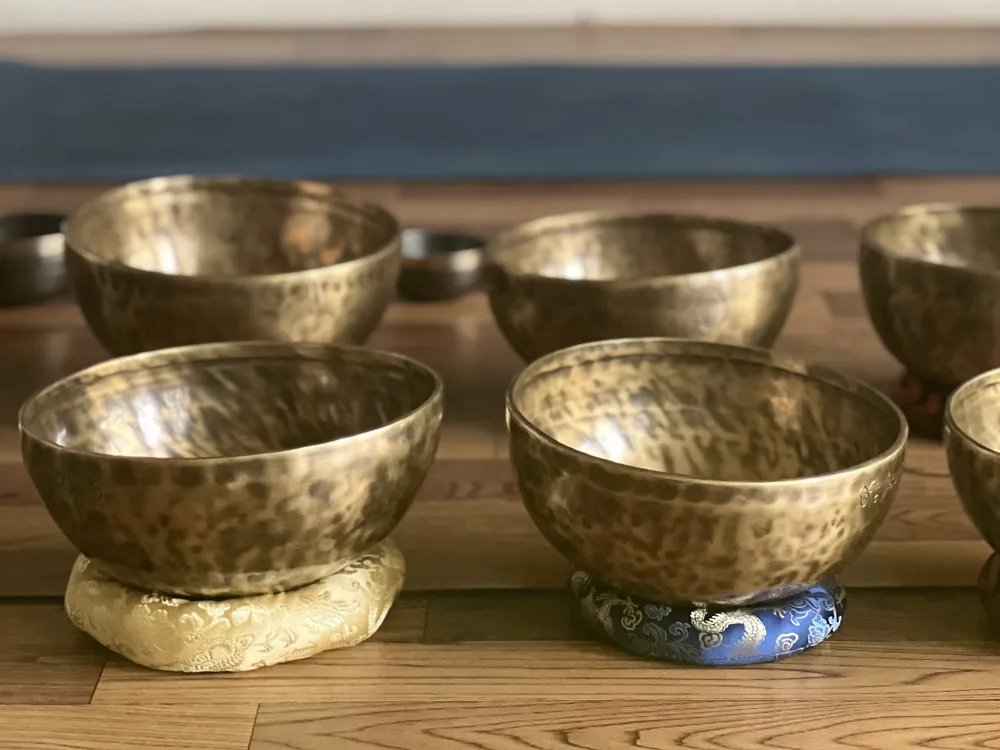
Sessions with gongs, crystal bowls, and voice, often in dedicated sound temples. What it offers: deep rest and a genuinely beautiful sensory experience that most guests find calming. What it does not offer: robust clinical evidence for specific health outcomes is limited, so treat it as restorative, not therapeutic.
Cacao circles
Ceremonial-grade cacao shared in a facilitated group setting. What it offers: a warm, social, heart-centred ritual — cacao contains mild stimulants (theobromine) and is fully legal. What it does not offer: cacao is not psychedelic and produces no altered state beyond gentle alertness. Anyone marketing it otherwise is overselling.
Jamu and legal herbal traditions
Indonesia’s centuries-old herbal tradition — turmeric, ginger, tamarind, and other kitchen botanicals — served as tonics and taught in workshops. What it offers: a legal, culturally authentic plant tradition you can literally take home as a recipe. What it does not offer: jamu is a wellness tradition, not medicine; it does not treat disease, and some herbs interact with medications, so check with your doctor if you take any.
Ayurveda
Several Bali retreats offer ayurvedic consultations, massage, and dietary programs. What it offers: a structured, personalised wellness framework with treatments that are pleasant and legal. What it does not offer: ayurvedic programs in Bali are lifestyle offerings, not substitutes for medical care, and imported herbal preparations should be scrutinised for quality.
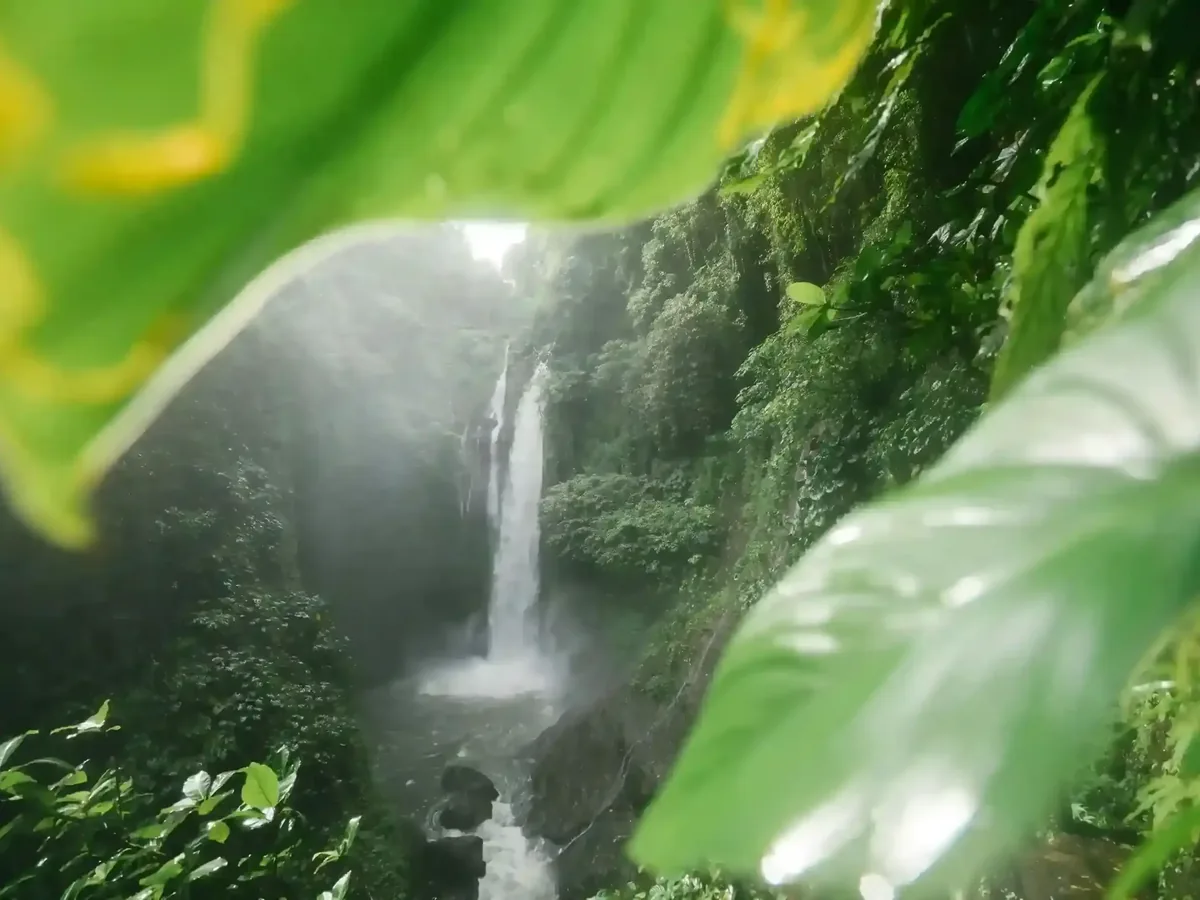
Melukat — Balinese water purification
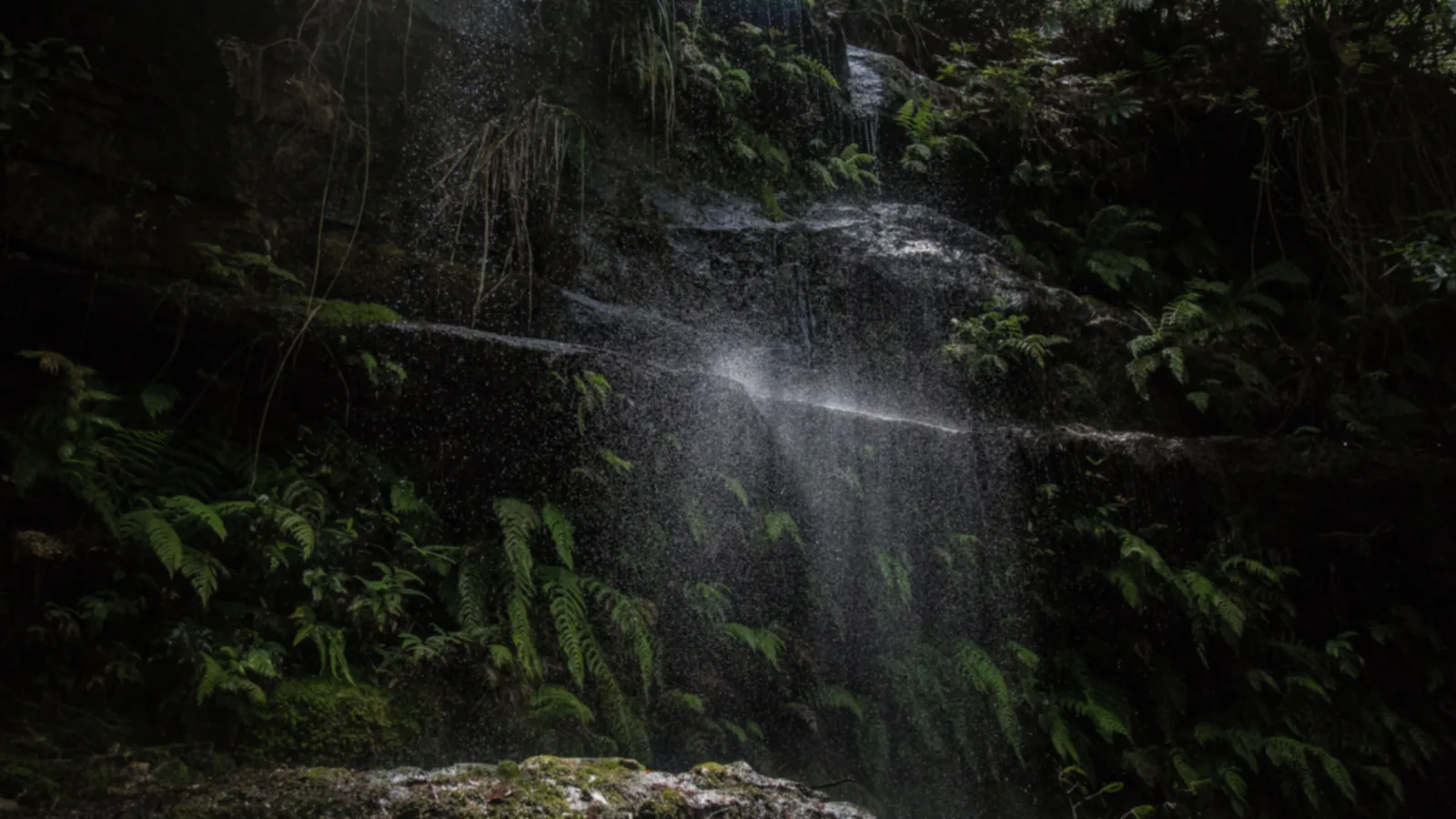
A Hindu purification ritual at sacred springs such as those in the Ubud area, ideally guided by a Balinese practitioner who ensures proper etiquette. What it offers: a moving, authentic cultural and spiritual experience. What it does not offer: melukat is a living religious practice, not a wellness product — approach it with respect, appropriate dress, and a local guide.
How do you book through our concierge?
We operate as an independent wellness concierge: we do not run retreats ourselves, we match you with vetted, legal operators. The process is simple. First, message us on WhatsApp with your dates, group size, and what you are looking for. Second, we send a shortlist of 2–4 suitable retreats or practitioners with honest notes on each. Third, you book directly or through us — whichever the operator prefers — and we remain your point of contact for questions before and during your stay. Full details are on our wellness concierge service page.
How much does a legal Bali retreat cost?
Indicative ranges as of 2026, in US dollars. These vary widely by venue, season, and level of luxury, and are estimates only — not quotes:
| Experience | Indicative range (2026) |
|---|---|
| Drop-in breathwork, sound healing, or meditation session | USD 15 – 50 per session |
| Guided melukat with local practitioner | USD 30 – 100 including offerings and guide |
| Cacao circle or jamu workshop | USD 20 – 60 per person |
| Day retreat (multiple modalities, meals) | USD 80 – 250 |
| Multi-day retreat, 3–7 nights (accommodation, program, meals) | USD 400 – 3,000+ |
Vipassana centres in the donation-based tradition may charge nothing, inviting a contribution instead. Our concierge shortlisting service is free; some bookings pay us a standard referral commission from the operator, which never increases your price.
Frequently Asked Questions
Are breathwork and sound healing really legal in Bali?
Yes. Breathwork, meditation, sound healing, cacao, jamu, ayurveda, and melukat involve no controlled substances and are fully legal in Indonesia as of 2026. The legal line is substances, not practices — anything involving psilocybin, DMT/ayahuasca, or similar compounds is a serious criminal matter here.
Can these retreats treat depression, anxiety, or trauma?
No retreat can promise that, and you should walk away from any that does. Practices like meditation have supportive evidence for stress and general wellbeing, but they are complements to professional care, not replacements. If you are struggling, see a licensed clinician first, and tell any retreat facilitator about your situation honestly.
What if a retreat quietly offers something illegal once I arrive?
Decline and leave. Participating exposes you to Indonesian narcotics law regardless of what the operator promised, and travel insurance will not cover consequences of illegal activity. Operators we refer are chosen specifically because they work entirely within the law — if you ever encounter otherwise, tell us.
How far in advance should I book?
Drop-in sessions rarely need more than a few days’ notice. Multi-day retreats and silent meditation courses often fill 4–8 weeks ahead, and high season (July–August, December–January) books out earlier.
Plan your legal Bali retreat with a straight-talking local team
Tell us what you are hoping for, and we will tell you honestly which legal options fit — and which do not. Our concierge desk is part of Juara Holding Group, operating from Bali across Indonesia since 2015. Message us on WhatsApp at +62 811-3941-4563 or email bd@juaraholding.com for a free, no-pressure shortlist.
Health and legal notice: this page is general information, not medical, psychological, or legal advice. Always consult a licensed physician before beginning any new wellness practice, and never participate in activities involving substances that are illegal in Indonesia.